Introduction
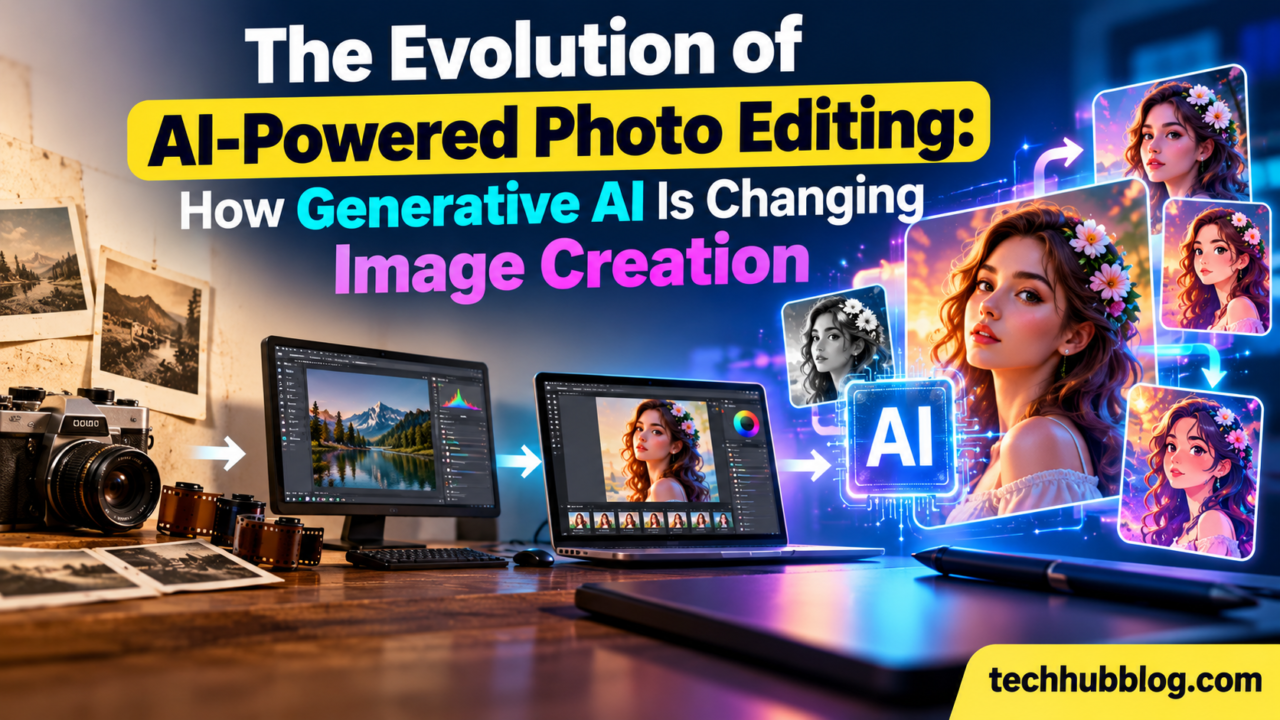
Photo editing used to be tough. Really tough. Technical knowledge, first. Specialized software, next. And time. Tons of it. Think about the usual tasks. Removing unwanted objects. Changing backgrounds. Adjusting lighting. Building whole new visual compositions. What did those need? Multiple tools. Careful manual work. Hours, sometimes. Not anymore, though. Generative AI changed things. Big time. Now? Describe the change. Ordinary language. Plain words. AI handles the rest. Most technical steps, anyway. Just like that.
What’s made this possible? Recent developments. Image-generation models, specifically. They’ve made AI photo editing flexible. Way more flexible. How so? Old view of an image? Fixed pixels. Just a collection. Nothing more. Newer systems? Different story. They read the contents. Understand object relationships. How things connect. Then generate modified versions. Following the user’s instructions. Pretty smart, honestly.
What Is Generative AI Photo Editing?
Simple version? Two things combined. Traditional image manipulation, first. Machine-learning models, second. Models that produce visual content. Or modify it. Both, really. How’s it used? A user brings a photo. An existing one. Then asks for a change. What kind? Replacing the background. Modifying an object. Improving the composition. Creating a different visual style. Pick one. Or several.
Key difference here? No preset filters. None. Generative systems don’t just apply those. They generate new pixels. Fresh ones. Based on what? Understanding the image. Understanding the instructions. Both together. Why does that matter? Some editing situations are awkward. Conventional adjustment tools struggle there. Less practical, honestly. Generative tools fit better. Much better.
Where does Nano Banana 2.5 fit? Right here, actually. Models tied to the Nano Banana 2.5 generation show this shift. The broader movement. Toward instruction-based image editing. A Nano Banana 2.5 photo editing tool helps explore that. AI-assisted changes, specifically. And the editing stays centered. Around what? Natural-language instructions. Just words. That’s the whole point.
How AI Understands an Image
What’s under the hood? Neural networks. Complex ones. Trained on visual data. Trained to spot patterns. What can they identify? People. Objects. Environments. Colors. Textures. Spatial relationships too. Where things sit. How they relate.
Then an instruction comes in. Now what? The model connects things. Words to visuals. Specifically, visuals already in the image. Quick example. Daytime scene. Request? Make it look like sunset. Sounds simple. It’s not. What must the system understand? Existing lighting. Shadows. The sky. Surrounding objects. All of it. Everything shifts together.
That’s why it feels different.” Mostly contextual understanding. Standard photo software? Tune each one separately. One at a time. Bit by bit. Generative editing? What does it lead to? High level. The overall picture. Let AI work out the details.
Common Applications of AI Photo Editing
Where’s AI editing used? A lot of places. Visual communication in general. Photographers first. Experimenting with compositions . Before committing to a final edit. And then designers. Concept images, quickly. For presentations. For campaigns. And content creators. Adjusting photographs. Different platforms. Various formats. Same picture. Many usages.
Another common one? Object removal. Big one, honestly. Traditional way? Painful. Careful selection. Cloning around the unwanted element. Slow work. Generative way? Different approach. Analyze the surrounding area. Then reconstruct. What’s logically behind the removed object? That, basically. AI guesses it. Fills it in.
Background modification? Also useful. Very useful. Picture a portrait. Shot indoors. Now reimagine it. A different environment entirely. Manual background work? Not needed. No building every detail by hand. None of that.
Preserving Consistency During Editing
Biggest technical challenge? Consistency. Easily. What’s the ideal? Change one part. Leave unrelated elements alone. Untouched, completely. Editing a person? A product? An architectural feature? Proportions should stay coherent. Important characteristics too. Nothing drifting.
When’s this extra important? Certain images. Faces, for one. Text. Objects. Multiple people. Tricky stuff. Why? Looks impressive, sure. Still unusable, maybe. How? Important details changed. By accident. Unintentionally. Impressive isn’t enough. Accurate matters more.
So what should users do? Review edits. Carefully. Every time. Assume every change is right? No. Don’t. Small distortions happen. Sneaky ones. Where? Areas that look fine. At first glance, anyway. Look closer. Always.
The Role of Natural-Language Instructions
Natural-language prompting? Huge now. Central to AI image editing. Why? No long command lists. No learning every software shortcut. Instead? Explain it. Conversationally. Like talking to someone. That’s it.
Clear instructions help. A lot. The intended outcome gets easier to read. For the model, anyway. What’s worth describing? The subject. The desired change. The environment. Lighting. Style. Useful context, all of it. But careful. Overly complicated prompts backfire. Sometimes, anyway. How? Conflicting requirements. Mixed signals. Confused results.
Practical approach? One change at a time. One major change. Then check. Inspect the result. Then request more. Additional modifications, one by one. Why bother? Easier tracking. Something went wrong? Easy to spot. Which instruction caused it? Obvious then.
Limitations and Considerations
Powerful? Definitely. Perfect? No. Not infallible. Not even close. What goes wrong? Visual inconsistencies. Inaccurate details. Unexpected changes. Surprises, basically. Text’s especially tricky. Within images, specifically. Generated lettering? Not always readable. Not perfectly, anyway. Often a bit off.
Ethics come up too. Seriously. AI editing makes realistic alterations easy. Too easy, maybe. Viewers might get fooled. Mistake them for authentic photos. Real ones. So where’s transparency needed? Journalism. Documentation. Academic work. Anywhere factual representation matters. Big modifications? Say so. Be open. Important, honestly.
Copyright matters. Consent too. When, exactly? Editing images with other people’s work. Their likenesses. Private materials. All of those. Think first. Always.
The Future of AI-Assisted Editing
Where’s it heading? Conversational workflows. Clearly. Generative image technology’s pushing that way. Old way? Menus. Sliders. Selections. Layers. Lots of clicking. New way? Talk to it. Communicate creative intentions. Directly. To an AI system. More and more.
Will traditional skills disappear? Not necessarily. Nope. Still valuable. Which ones? Composition. Lighting. Color. Perspective. Visual storytelling. All still matter. Why? AI tools need direction. Human direction. Human judgment too. Can’t skip that.
Bottom line? Generative AI’s another layer. In the creative process. Just another layer. Biggest impact? Probably not replacement. Not replacing conventional editing. Something else. Faster experimentation. Lower technical barriers. New ways to explore visual ideas. That’s the real shift. Plain and simple.